A typeface can look like a small line item in a creative project—until a campaign expands, a website gets traffic, or a team needs to use the same font across design, video, email, packaging, and software. That is when font licensing becomes a business issue rather than a simple download decision. The right font may be worth paying for, but the wrong license can create avoidable expense, production delays, and legal uncertainty.
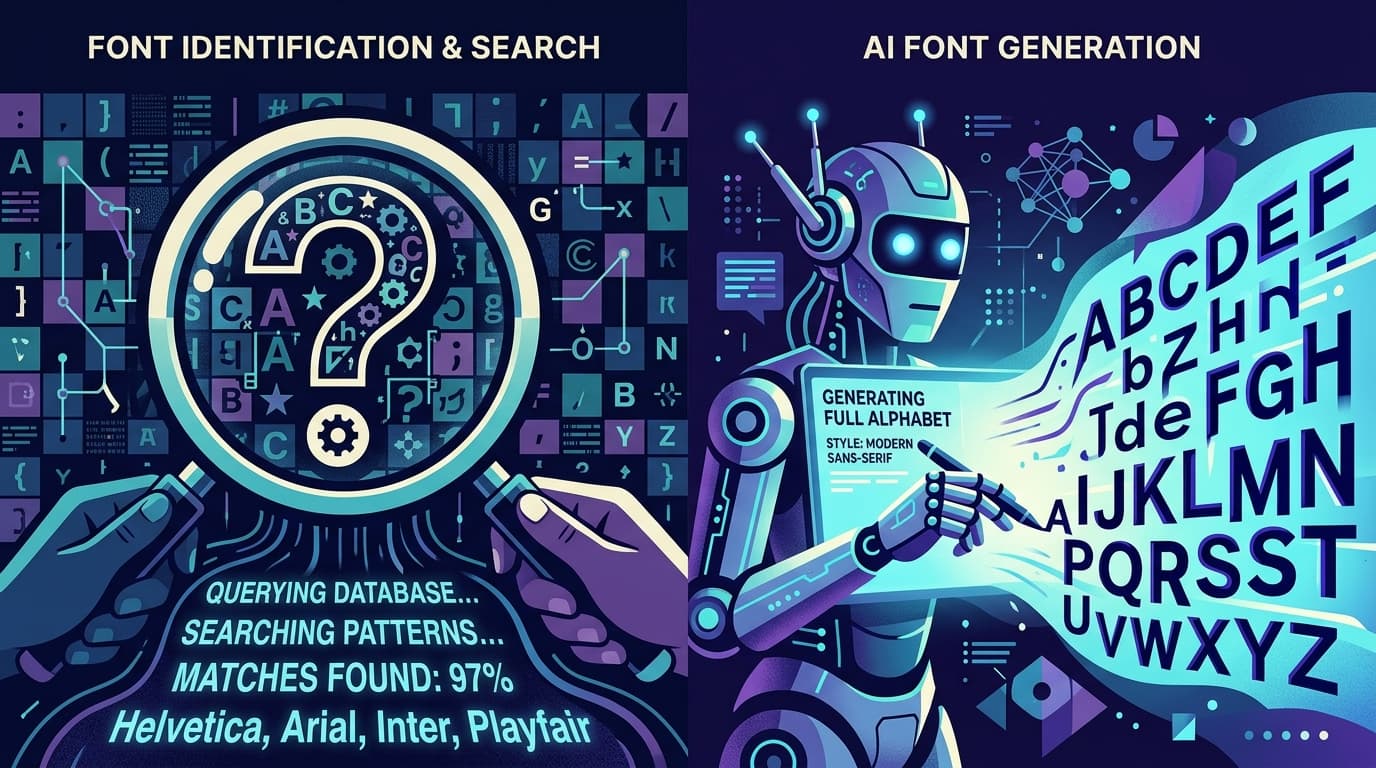
This font license explained guide takes an honest look at both sides of the decision. Sometimes a commercial font license is unquestionably the smart choice: a well-crafted retail typeface brings years of design expertise, broad language support, reliable technical files, and a recognizable visual voice. In other situations, especially when a project needs a one-off display style, a brand-specific alphabet, or ownership without recurring scale fees, it can be more practical to generate font instead of license.
The key is not assuming that “free” means usable or that “custom” automatically means risk-free. A good decision starts with understanding what font license types permit, how a font will actually be used, and whether the source material for a new font is original or properly authorized. This article will help you map those questions to a practical workflow.
The Main Types of Font Licenses
A font file is software in the eyes of most foundries and marketplaces. Buying or downloading it rarely means buying the underlying intellectual property outright. Instead, you receive permission to use the software in specified ways. The details vary by foundry, so always read the actual end-user license agreement (EULA), but these are the font license types you will encounter most often.
### Desktop or print licenses
A desktop license generally allows a defined number of named users or devices to install the font and create static output. That can include logos, brochures, posters, presentations, social graphics, and print advertising. It does not necessarily allow the font file to be uploaded to a website, embedded in an app, or shared with every contractor in a large organization. A five-user desktop license, for example, may be adequate for an in-house design team but not for a freelance network of 30 people.
### Webfont licenses
A webfont license covers use through CSS on a website. Pricing is often tied to monthly pageviews, domains, or both. One font family might be inexpensive for a small portfolio site but require an upgraded tier after a successful campaign drives substantial traffic. Check whether the license counts staging sites, regional subdomains, microsites, and archived campaign pages. Also confirm whether self-hosting is permitted and whether a license remains valid if you move to a new web platform.
### App, ePub, and software licenses
If a font is embedded in a mobile app, desktop application, game, ePub, or PDF template that users can access, a separate license is usually required. These agreements may be priced per title, per number of app downloads, per annual users, or by a custom quote. “Embedding” matters because the font data is distributed, even if users do not see the original .OTF or .TTF file directly. A desktop license alone is seldom enough for this use case.
### Server, broadcast, and advertising licenses
Some foundries distinguish between fonts used to generate dynamic images on a server, fonts used in broadcast graphics, and fonts used in paid advertisements. A server license may apply when a system creates personalized images, certificates, or product labels from font data. A digital ad license can cover a defined campaign period or impression volume. These terms are easy to overlook because the visual result resembles ordinary design work, but the delivery method changes the license requirement.
### Open-source and free-font licenses
Open-source fonts can be excellent, but “open source” is not a synonym for unrestricted. The SIL Open Font License, Apache License, and other licenses have different obligations. Some allow modification and redistribution if the original font name is changed; some require retaining license notices; some limit use of reserved font names. Likewise, a font labeled “free for personal use” is not authorized for client work, monetized content, product packaging, or business branding. Save the license document and the download source whenever you add a font to a project.

When Licensing a Professional Typeface Makes Sense
Licensing is often the best choice when typography is central to a long-lived product or brand and the typeface needs to perform far beyond a headline. Professional families are built to solve problems that are largely invisible until they matter: legible text at small sizes, balanced italics, consistent spacing, kerning for thousands of pairs, dependable punctuation, figures for financial data, multiple weights, and language coverage.
Consider a fintech dashboard launching in English, German, French, and Spanish. Its interface needs regular, medium, bold, tabular figures, currency symbols, clear distinction between similar characters, and stable rendering on many devices. A commercial font license for a mature sans-serif family may cost more upfront, but it can save substantial design and engineering time while improving accessibility and localization. The same logic applies to a publisher producing books, a SaaS company shipping a multilingual application, or a retailer that needs consistent typography across a global system.
Licensing also makes sense when a specific typeface is already an essential, approved part of a brand. If a client’s brand guidelines identify a particular family, recreating a similar-looking font is not a replacement. It may create brand inconsistency and can raise legal concerns if the result is too close to protected design elements. Obtain the correct rights, document the purchase, and assign an owner to track renewals and user limits.
Finally, pay for the license when the typeface itself is the creative asset you value. Independent foundries invest heavily in drawing, testing, language expansion, and support. For a major identity or an enduring editorial platform, licensing can be both a sound operational choice and a fair way to support that work.
The Hidden Costs Behind Font Licensing
The purchase price is only one component of font licensing cost. Teams frequently budget for a desktop license, then discover that their intended usage requires web, app, campaign, or enterprise rights as well. A family that appears affordable for a small studio can become significantly more expensive when it must serve a high-traffic website, a distributed team, a white-label product, and paid digital advertising.
Scale is a common trigger. Imagine a startup that licenses a webfont under a low-traffic plan, then gains media attention and exceeds its pageview allowance. Or consider an agency that buys a license for an identity project but hands editable source files to a client, printer, video partner, and regional franchisee. Each additional installation or distribution channel may require new permissions. The compliance work—checking users, tracking file locations, reviewing vendor access, and renewing terms—has a real internal cost even when no invoice arrives.
There is also the cost of lock-in. If your visual system depends on a licensed family and the foundry changes pricing, discontinues a package, or cannot provide a needed license category, changing fonts later can affect layouts, code, templates, and brand recognition. This does not mean licensed fonts are a poor investment; it means the license should be evaluated as part of a long-term operational plan.
Before purchasing, ask for a written answer to practical questions: How many users can install the files? Is use by contractors included? Can the font appear in a logo? Are web pageviews capped? Is app embedding covered? Can the font be sent to a printer? Is there a perpetual option, or is the arrangement subscription-based? Keeping these answers alongside invoices makes future compliance much easier.
When Generating Your Own Font Is the Smarter Option

Generating a font is most compelling when you need a distinctive display asset rather than a complete, multipurpose type system. Examples include a handmade lettering style for a seasonal launch, a café’s chalkboard-inspired menu headings, an event alphabet based on original marker lettering, a creator’s recognizable signature-style titles, or a short-run product collection. In these cases, paying recurring fees for a broad commercial family may provide far more capability than the project needs.
A custom font vs licensed decision also shifts when ownership and reuse matter. If you create the source lettering yourself—or commission it under an agreement that clearly transfers the needed rights—you can build an alphabet around the brand instead of adapting the brand to a preexisting retail font. A generated .TTF can then be used consistently in approved tools without managing pageview tiers or adding seats every time a new internal designer joins. The exact rights still depend on the tool’s terms and your source-material rights, but the operating model is often simpler.
This path is not a shortcut for copying. Do not photograph a book cover, trace a paid font, upload a competitor’s logo, or use found lettering simply because it is visible online. Typeface designs and font software can be protected in different ways across jurisdictions, and lookalike work can create avoidable risk. Use original handwriting, lettering you commissioned, public-domain material only after verifying its status, or material for which you have clear written permission. A font generator does not erase third-party rights in the image supplied to it.
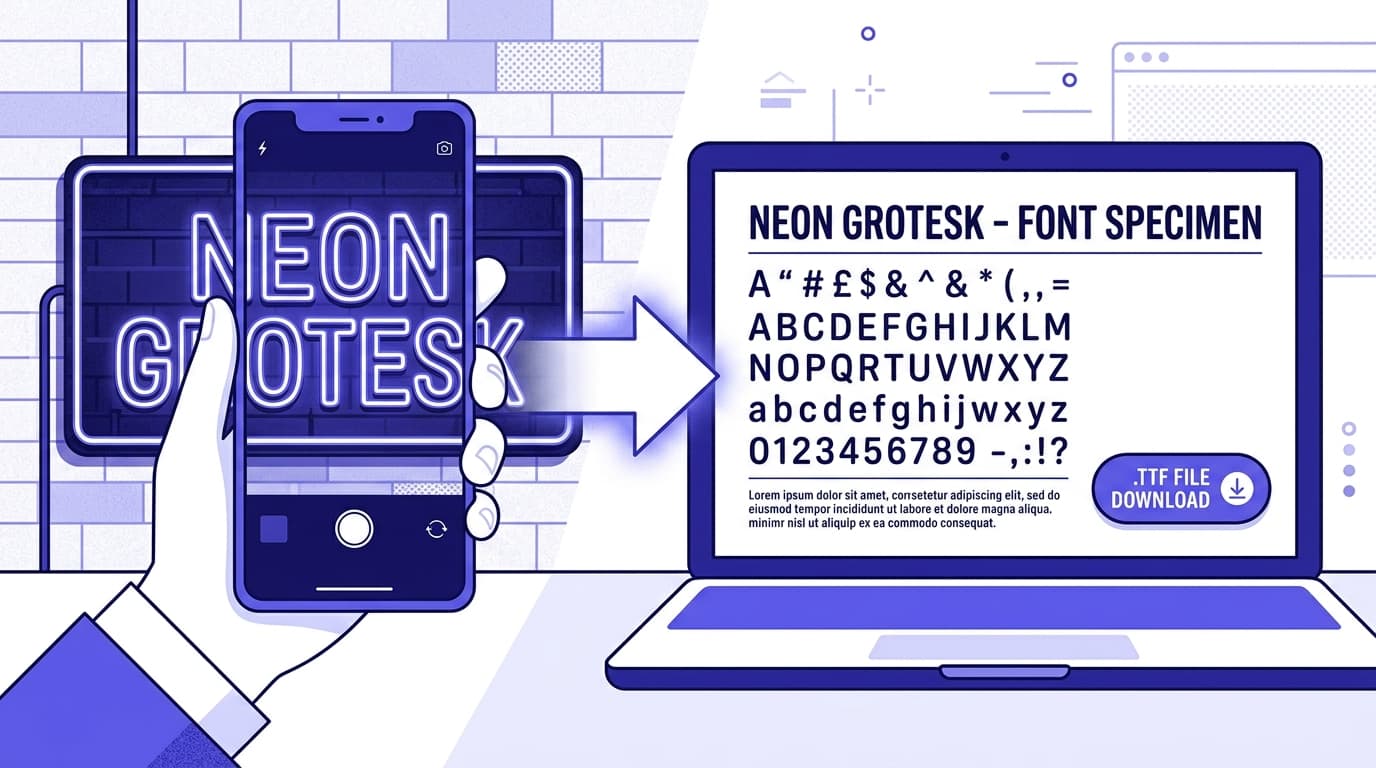
For original source material, Snapafont offers a practical route from an image of lettering to a downloadable .TTF font file. It is especially useful for turning a carefully prepared handwritten or drawn alphabet into an editable asset, so the letterforms can be used in layouts rather than repeatedly placed as image files. Treat the generated font as the beginning of quality control: test every character, inspect spacing, and decide whether it is suitable for headings, short copy, or a more limited decorative role.
Generation is usually less appropriate for dense body text, extensive multilingual work, complex scripts, or a UI system where every glyph and numeral must perform flawlessly. Those needs call for the depth of a professionally engineered family or for a custom type designer who can develop and test a full typeface.
A Practical Workflow for Making the Right Choice
Start with a usage inventory, not a font search. List every place the font may appear in the next 12 to 24 months: logo, print, website, social templates, presentation decks, email graphics, video, product packaging, app screens, PDFs, and editable files shared with outside partners. Add expected audience scale, number of users, languages, and whether the font must be embedded or merely used to create static artwork. This turns a vague design preference into a licensing brief.
Next, separate functional typography from expressive typography. A brand may use a licensed text family for interfaces, reports, and long-form content while using an original generated display font for campaign headlines and distinctive moments. This hybrid approach is often more cost-effective than forcing one expensive family to do everything or asking a handmade font to handle text it was never designed to support.
If you decide to generate a font, prepare the source image deliberately. Draw or write characters on a plain, high-contrast background, include uppercase and lowercase letters as needed, add numerals and common punctuation, and leave enough space around each glyph for clean recognition. Keep stroke width and baseline position consistent. Then test the resulting font in the actual software and at real sizes. Type sample words with combinations such as “AV,” “To,” “Wa,” “ill,” “rn,” “00,” and “1lI” to find spacing and readability issues. Build a short usage guide stating where the font is approved and where it is not.
If you license, archive the EULA, receipt, version number, and a plain-language record of permitted uses. Review the arrangement whenever a campaign expands, traffic rises, or a new product team begins using the files. This small amount of governance prevents accidental misuse and makes future handoffs much smoother.
Turn Original Lettering Into a Usable Font
The best choice is the one that matches the work. License a professional typeface when you need robust language coverage, extensive weights, polished text performance, or rights for a large and complex rollout. Generate a font when you have original lettering, need a distinctive visual voice, and want an editable asset for display-oriented use without buying capabilities you will not use.
If you have a sketch, handwritten alphabet, or custom lettering concept ready to test, try Snapafont at snapafont.com. Upload only artwork you created or have permission to use, generate a downloadable .TTF, and test it in the layouts where it will actually appear. That gives you a concrete way to evaluate whether a custom generated font can complement—or, for the right project, replace—a commercial font license.
Ready to turn your image into a font?
Upload any image and get a real, downloadable .TTF font file in seconds.
Try Snapafont Free →